
Be Specific
I see young writers make the same mistake over and over again. Truthfully, I made it myself when I first started writing.
They try to write something for everybody.
Not just young writers, either. Studios do it. Networks do it. Entire industries do it. In many ways, it’s probably why broadcast television eventually drifted toward game shows, competition shows, and reality programming. Those formats have broad appeal. Everyone can sort of enter the room. Everyone can understand the rules.
But broad appeal and compelling storytelling aren’t necessarily the same thing.
I’ve never really been a procedural person. That’s not to say I don’t love a mystery if it’s rooted in character, but the Law & Orders, the CSIs, the assembly-line mystery shows of the world have never really done much for me. There’s a math equation underneath them. I know the structure. I know the machine. They’re designed to be evergreen — watch in any order, drop in at any point, no homework required.
For me, they often leave out the thing I care most about: emotional specificity.
I’m a huge believer in being hyper-specific.
When I teach writing classes, I sometimes ask students a question:
“How many of you have a vested interest in how restaurants are started and run?”
Maybe a few hands go up.
Then I ask:
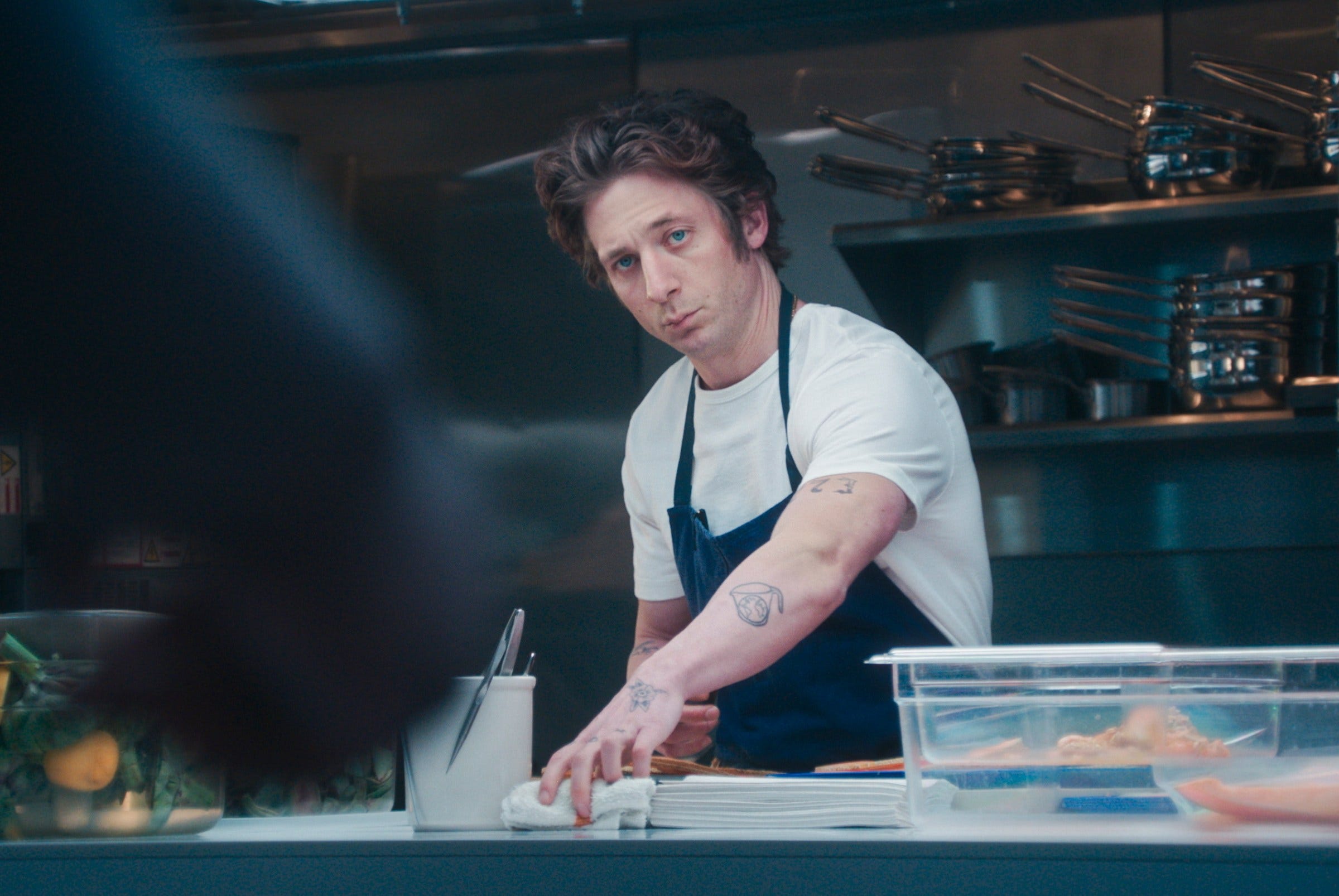
“How many of you love The Bear?”
Almost every hand goes up.
Why?
Because The Bear isn’t really about running a restaurant.
You all just told me you don’t care much about restaurants.
It’s about grief. Pressure. Family. Expectations. Anxiety. Love. Failure.
The specificity of the world is what gives power to the emotional experience.
We don’t relate to the restaurant.
We relate to the people inside it.
I remember hearing Bryan Cranston tell a story while I was at AFI. He talked about Vince Gilligan, who had come from The X-Files and was pitching ideas around town. As the story goes, after presenting ideas he thought executives would want, the conversation eventually turned toward the strange one — the one that sounded almost too odd to work: a high school chemistry teacher starts cooking meth.
On paper, it sounds absurd.
Then it became Breaking Bad.
Because underneath the specificity wasn’t really a story about meth.
It was a story about fear, pride, family, desperation, power, and identity.
The world was specific.
The emotions were universal.
And once you start looking for it, you see it everywhere.
A show about 1960s advertising executives becomes a story about identity and reinvention. That’s Mad Men.
A story about a family running a funeral home becomes a meditation on grief and mortality. That’s Six Feet Under.
A movie about a drummer trying to master jazz becomes a story about obsession and the cost of greatness. That’s Whiplash.
None of those projects sound broadly commercial if you reduce them to the mechanics.
What people connect to isn’t the machinery.
It’s the humanity inside the machinery.
Students tell me all the time:
“I don’t have anything interesting to write about.”
Especially younger students.
They think they haven’t lived enough life yet. (they haven’t)
And frequently what happens is they start borrowing pieces from things they love. Not emotionally — mechanically.
They borrow genres.
They borrow plot devices.
They borrow aesthetics.
The cool parts.
The spaceship.
The detective.
The monster.
The twist ending.
But surface elements aren’t really storytelling. They’re set dressing.
What made those stories resonate in the first place wasn’t the lightsaber or the murder mystery or the creature in the basement.
It was the emotional truth underneath it.
Without that, stories can start to feel like an imitation of a thing rather than an expression of something.
Then I make my students do an exercise.
I tell everyone to close their eyes and raise their hands.
If you’ve had your heart broken, put your hand down.
If you’ve broken someone else’s heart, put your hand down.
If you’ve fallen in love, put your hand down.
If you’ve fought with your family, put your hand down.
If you’ve disappointed someone.
If you’ve disappointed yourself.
If you’ve felt afraid.
If you’ve felt alone.
By the time we’re done, every hand in the room is down.
Then I tell them to open their eyes.
“You do have something to write about.”
Because writing isn’t really about plot.
Plot is architecture.
Writing is emotional truth.
The story world can be anything.
It can be a restaurant kitchen.
It can be a chemistry teacher making meth.
It can be a weather forecaster helping determine the fate of the Normandy invasion.
I was thinking about that this week after speaking with Anthony Maras about his new film Pressure. On paper, a movie about weather reports during World War II doesn’t sound like the most thrilling pitch in the world.
Until you realize it isn’t really about weather reports.
It’s about impossible responsibility.
It’s about fear.
It’s about the burden of knowing that a decision might alter history.
The world gets us in the door.
The people make us stay.
Stop trying to write for everybody.
Write something honest enough, specific enough, and brave enough that people recognize themselves inside it.
—Bob
One final thought before I run.
I’ve mentioned before that one of the things I miss most is the post-show conversation.
You know the one.
You leave a movie theater, or a play, or a concert, and before you even make it to the parking lot somebody turns and says, “So what did you think?” And suddenly you’re talking about the ending, or a performance, or a line that hit you harder than you expected, or why something worked for you and completely didn’t work for somebody else.
I feel like we’ve lost a little bit of that.
Streaming has given us incredible convenience, but we’ve also become very isolated in how we experience things. We watch at different times, on different screens, and then immediately move on to the next thing. The conversation part — the shared experience part — sometimes disappears.
So I’ve been kicking around an idea.
What if we did a film club?
Each month I’d pick a film — classic, cult, overlooked, important, beloved, weird, whatever — and point everyone toward where they can find it. We’d all have the month to watch it on our own time, and then we’d jump online and talk about it together.
Not a lecture.
Not me telling everybody what to think.
A conversation.
Maybe eventually we bring in guests. Maybe it grows into something bigger. Maybe not.
Mostly I just like the idea of creating a place where we can all experience something together and then have the conversation afterward.
We may not all live in the same city. We may not all even live in the same country. But this seems like one of those rare things that the internet actually does really well.
I’m curious:
Would this interest you?
And if so, what kinds of films would you want to explore?
Live every Saturday, 2–6pm PT on WFMU’s Sheena’s Jungle Room.
On the Radio This Week
This week on Bob Barth’s ONE NIGHT STAND, we’re loading up the jukebox with World War II history, stand-up comedy, a galaxy far, far away, and one of the most talked-about new works in the theater world.
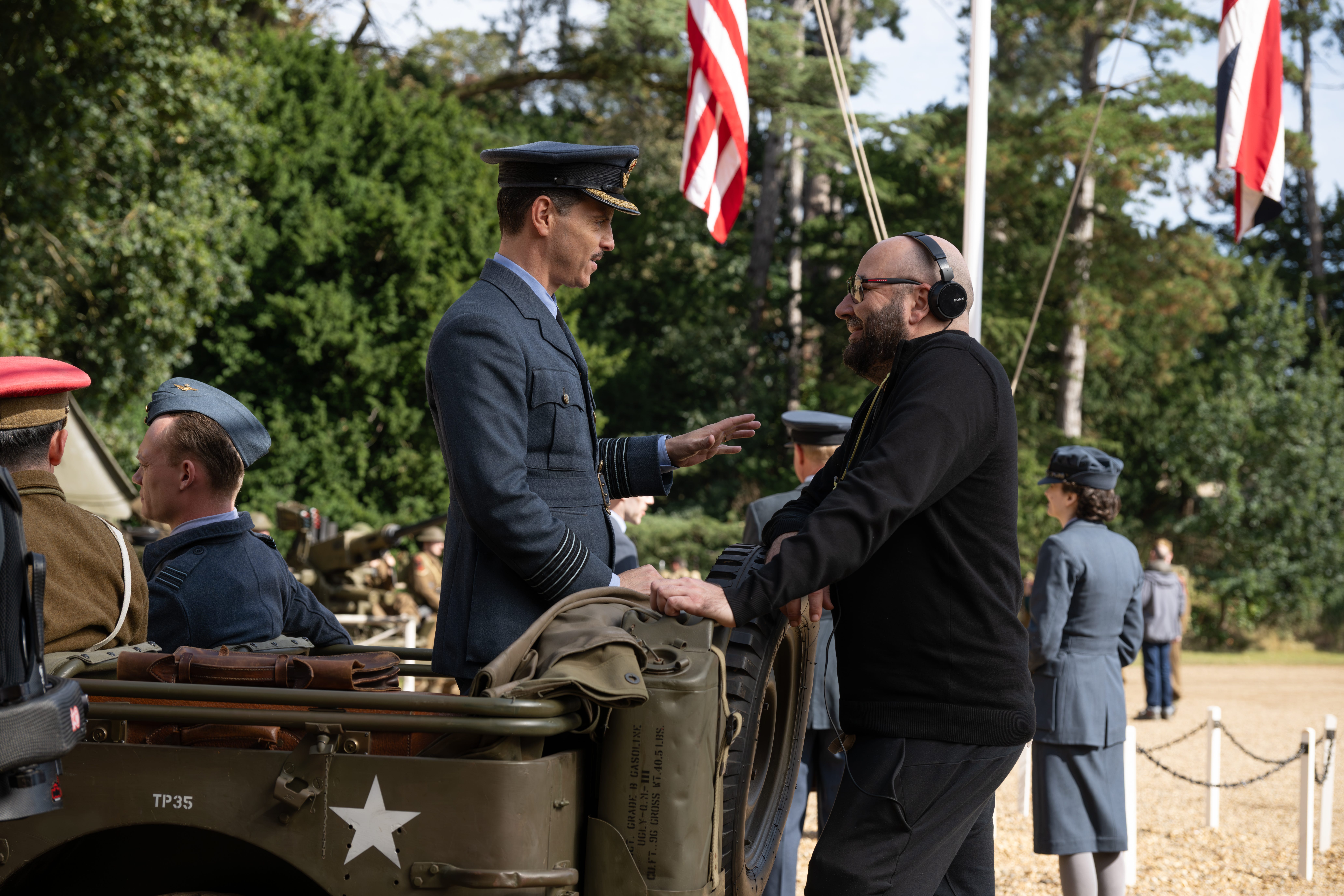
Director Anthony Maras joins me to discuss Pressure, his new motion picture opening in theaters next Friday. Starring Andrew Scott and Brendan Fraser, the film takes us into the tense seventy-two hours leading up to D-Day, where weather forecasts, impossible decisions, and the fate of the free world all collide. It’s a fascinating true story hiding in plain sight — the kind of story where history turns on the smallest details.

Comedian Anjelah Johnson-Reyes drops by to talk about her brand-new stand-up special Ugly Baby, her seventh comedy special and one she’s releasing directly to audiences on YouTube — meaning everyone can watch it for free. From MADtv to sold-out tours to building an audience on her own terms, we’ll talk comedy, craft, and the changing world of stand-up.
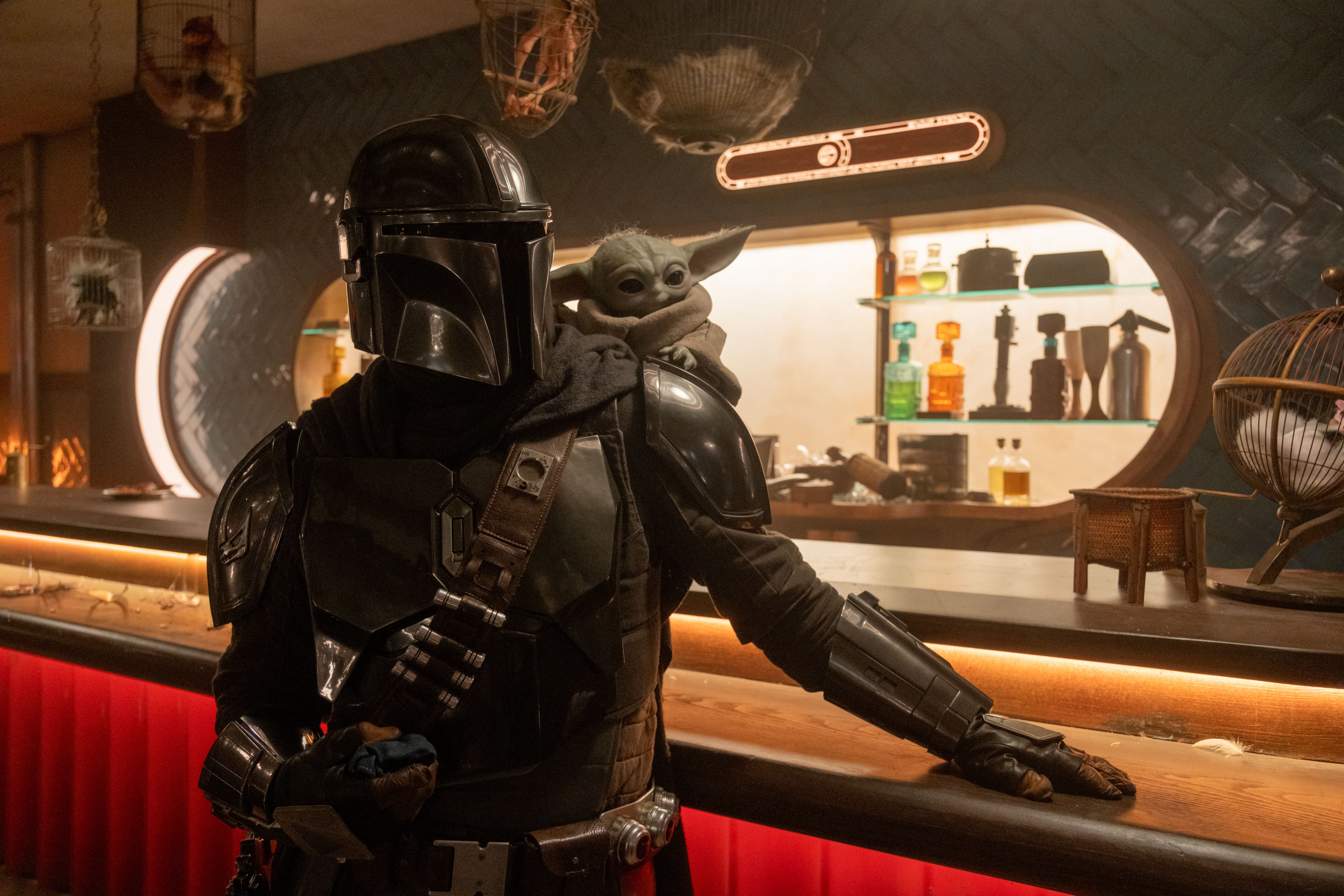
We’ll also fire up the hyperdrive and take a look at The Mandalorian and Grogu, the newest chapter in the ever-expanding Star Wars universe. After years of streaming adventures, Din Djarin and everyone’s favorite tiny Force-user are headed onto a much bigger stage, and we’ll talk expectations, possibilities, and whether the Force is still strong with us.
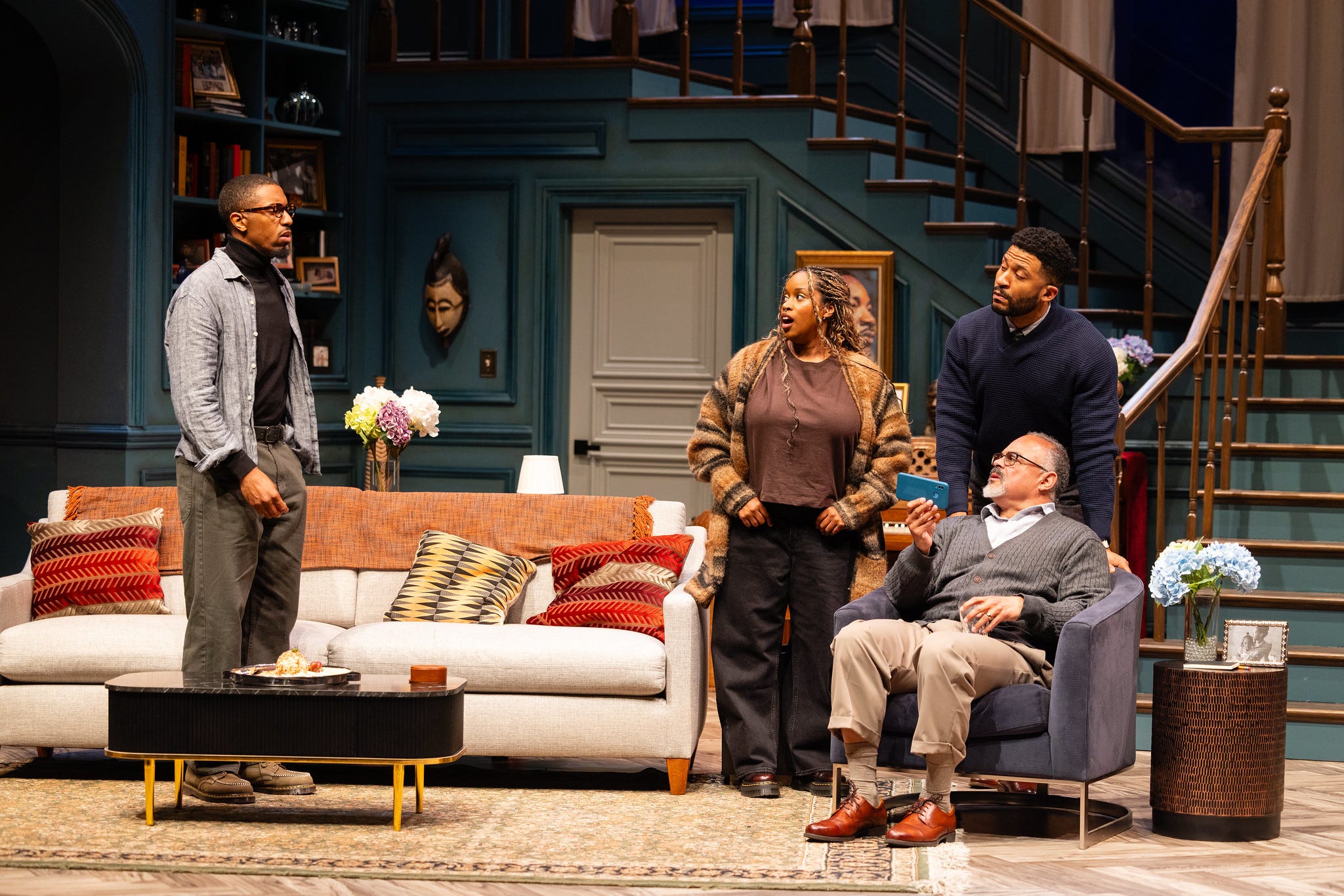
And finally, we’ll head down to La Jolla for a look at Purpose, the new play currently making waves on stage at the La Jolla Playhouse. Family, politics, legacy, secrets — and the kinds of complicated relationships that always make for good theater and even better post-show conversations.
All that & more.
Listen live Saturday
2pm–6pm PT / 5pm–9pm ET
on Bob Barth’s One Night Stand
via WFMU’s Sheena’s Jungle Room stream
Miss it live? Find it and all of the shows in the archive!
Development notes from the film, television, and theatre projects currently in motion.
Not a lot of major movement to report this week, but sometimes that’s the reality of creative work. Not every week is a big announcement week. Sometimes it’s just continuing to push the ball down the field.
THEATRE KIDS continues moving through development conversations and refinement. As I’ve mentioned before, I’m trying to approach this one not just as a writer, but with a producer’s eye as well — thinking about audience, practical realities, and the kinds of things that help a project actually make the jump from script to screen.
Meanwhile, TOP DOG continues its slow and steady journey out into the world. Conversations and outreach continue as I keep trying to find the right home and the right partners for a project that’s ultimately about families, rescue dogs, and finding connection in unexpected places.
Not glamorous this week. Just the work.
And sometimes the work is the work.
Subscribe if you’d like these posts in your inbox.
Paramount lesson for young writers. It's never about what you're doing it's what you're feeling. It doesn't matter if the stakes are blowing up an evil base or having a bad conversation over dinner, it's about the human processes, the experience.
Super glad I saw this posted on LinkedIn. As far as film clubs go, I think it's admirable; I can't guarantee I'd be down for every selection as I'm quite selective but I think it's the best way for people to broaden their horizons.